

 See My Latest Article on HelloNation
Winter in Tucson, AZ is usually mild compared with colder parts of the country, but vehicles still face seasonal challenges. Cold mornings, sharp temperature changes, dust, dry air, occasional freezing conditions, and winter travel into higher elevations can all affect a vehicle’s battery, tires, fluids, visibility, and starting performance.
Good winter preparation does not require major changes to a vehicle. It mainly involves checking systems that become less forgiving as temperatures drop and adjusting driving habits for darker mornings, cold pavement, and changing weather.
What should Tucson drivers check before winter begins?
A basic inspection of the battery, tires, fluids, lights, and wiper equipment can prevent many common cold-weather problems. These checks are especially useful before road trips or extended periods when a vehicle may sit unused.
Start with the battery. Cold temperatures reduce battery performance, even when the weather does not seem severe. Look for:
- Slow cranking when starting
- Dim interior or exterior lights
- Corrosion around the battery terminals
- A battery that is several years old
- Loose or damaged battery cables
A battery that starts the vehicle reliably in warm weather may struggle on a colder morning. If the engine turns over slowly, the charging system and battery should be tested rather than ignored.
Inspect the tires while they are cold. Check tread depth, visible damage, and air pressure. Tire pressure often decreases as temperatures fall, and underinflated tires can reduce handling, braking performance, and fuel efficiency. Use the pressure listed on the vehicle’s door-jamb label rather than the maximum pressure printed on the tire sidewall.
How does Tucson’s climate affect winter vehicle maintenance?
The city’s dry climate and temperature swings can create different concerns from those found in areas with heavy snow and ice. Winter care still matters, but the focus is usually on cold starts, dust, sun exposure, and changing road conditions rather than prolonged snow accumulation.
Dust can collect around the engine compartment, air intake, battery, and electrical connections. Avoid directing high-pressure water at sensitive components. A visual inspection and careful cleaning of accessible areas can help reveal cracked belts, loose wiring, or fluid leaks.
Rubber components may also age faster after extended exposure to heat and sunlight. Check windshield wipers, tire sidewalls, serpentine belts, and coolant hoses for cracking or brittleness. A component that looks acceptable during a quick glance may show damage along its edges or at connection points.
Temperature changes can also affect fluid levels and tire pressure. Checking these items on a regular schedule is more useful than relying on a single seasonal inspection.
Which fluids need attention before cold weather?
Engine coolant, windshield washer fluid, engine oil, brake fluid, transmission fluid, and power steering fluid should all be checked according to the vehicle manufacturer’s maintenance schedule.
Coolant is particularly important because it protects against both freezing and excessive engine heat. A cooling system with the wrong mixture, a low fluid level, or a leak may not protect the engine during a cold spell. Never remove a radiator cap while the engine is hot.
Use winter-rated windshield washer fluid if freezing temperatures are possible. Water or an unsuitable summer formula can freeze on the glass or inside the washer system. Clean windshield glass and functioning washer nozzles are essential during early-morning glare, dust, rain, or road spray.
Engine oil becomes thicker as temperatures fall. The correct oil grade helps the engine crank and receive lubrication during startup. The recommended grade is listed in the owner’s manual or maintenance information for the specific vehicle.
Are winter tires necessary in Tucson?
Dedicated winter tires are generally unnecessary for routine driving in Tucson’s typical winter conditions, but tire selection should match the driver’s travel plans. Drivers who regularly travel into colder elevations, encounter snow, or drive on icy roads may need equipment suited to those conditions.
For local driving, the most important tire factors are:
- Adequate tread depth
- Correct inflation
- Even wear across the tread
- No bulges, cracks, or punctures
- A properly functioning spare tire or tire repair system
All-wheel drive can help a vehicle accelerate on slippery surfaces, but it does not automatically improve braking. Traction-control systems also have limits. Safe speed, greater following distance, and smooth steering remain essential on wet or icy pavement.
How can drivers prepare for cold mornings?
Cold-weather starting is easier when the vehicle is maintained and electrical connections are secure. Turn off unnecessary accessories before starting, such as the heater fan, rear defroster, and audio system. After the engine starts, allow a brief period for oil to circulate, then drive gently rather than letting the vehicle idle for a long time.
Do not repeatedly crank the engine for long periods. Extended attempts can drain the battery and overheat the starter. If the vehicle does not start after a few reasonable attempts, pause and determine whether the problem is likely related to the battery, fuel delivery, ignition, or another system.
Keep the vehicle’s fuel level from becoming extremely low during colder weather. A fuller tank reduces the chance of being stranded and may help limit condensation in the fuel system, although modern fuel systems are generally well sealed.
What should be kept in the vehicle during winter?
A small emergency kit is useful even when severe weather is uncommon. Include items that support visibility, communication, warmth, and basic roadside safety.
Useful supplies include:
- Jumper cables or a properly maintained jump-start device
- A flashlight with fresh batteries
- Gloves and a warm layer
- Drinking water
- Basic first-aid supplies
- A phone charging cable or backup battery
- Tire-pressure equipment
- Reflective warning items
- A small blanket
- Paper towels or a clean cloth for windows
Drivers who expect to travel outside the city or through remote areas should carry additional water, food, and cold-weather clothing. Tell someone the planned route and expected arrival time when conditions may change quickly.
How should visibility systems be maintained?
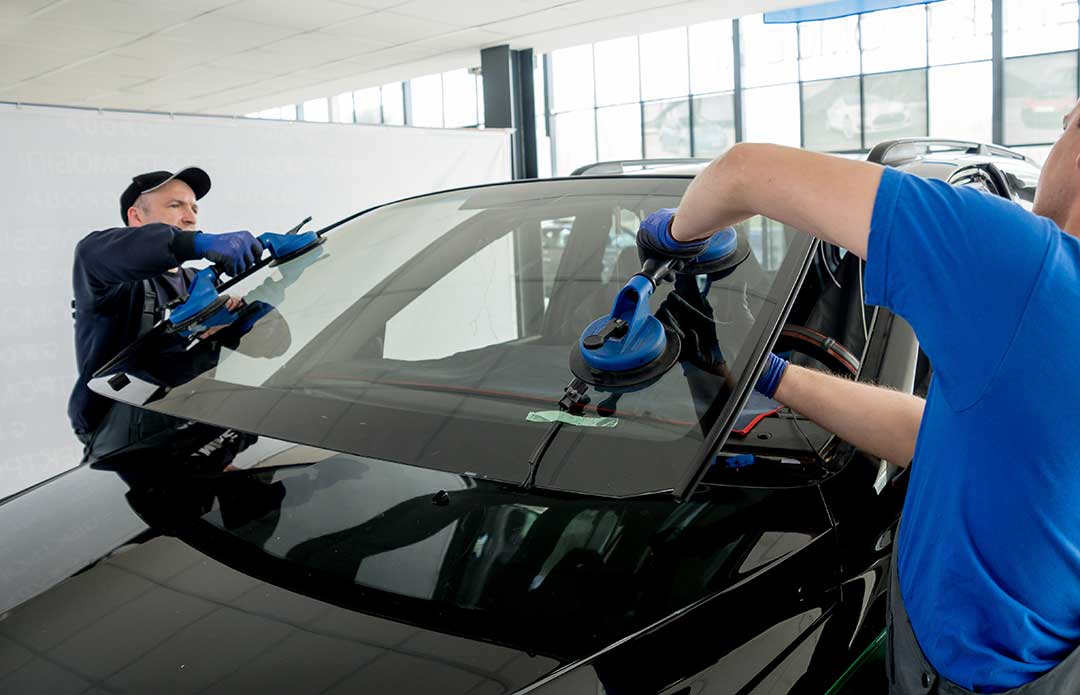
Winter sun can be low on the horizon during morning and evening commutes, making a clean windshield especially important. Replace wipers that leave streaks, skip across the glass, or produce cloudy areas.
Clean the inside and outside of the windshield. Interior film can worsen glare and reduce visibility when sunlight strikes at an angle. Check that headlights, brake lights, turn signals, and license-plate lights work properly. Dust can dull light output, while cloudy plastic covers can reduce illumination.
Use headlights whenever visibility is reduced by rain, dust, darkness, or road spray. Automatic lighting systems are helpful but should not replace an occasional manual check.
What driving habits are safest on cold or wet roads?
Reduce speed before curves, intersections, ramps, and shaded areas where pavement may remain colder. Increase following distance because tires may have less grip than expected, especially during the first minutes of rain or after a temperature drop.
Avoid sudden braking, rapid acceleration, and abrupt steering. If the vehicle begins to slide, ease off the accelerator and look in the direction of intended travel. Vehicles equipped with an anti-lock braking system should receive firm, continuous pressure during emergency braking rather than repeated pumping.
Be especially cautious when traveling from the city into colder elevations. Weather, pavement temperature, and traction can change significantly over a short distance. Check the vehicle before leaving, carry appropriate supplies, and do not assume that familiar roads will have familiar conditions.
Which winter warning signs should not be ignored?
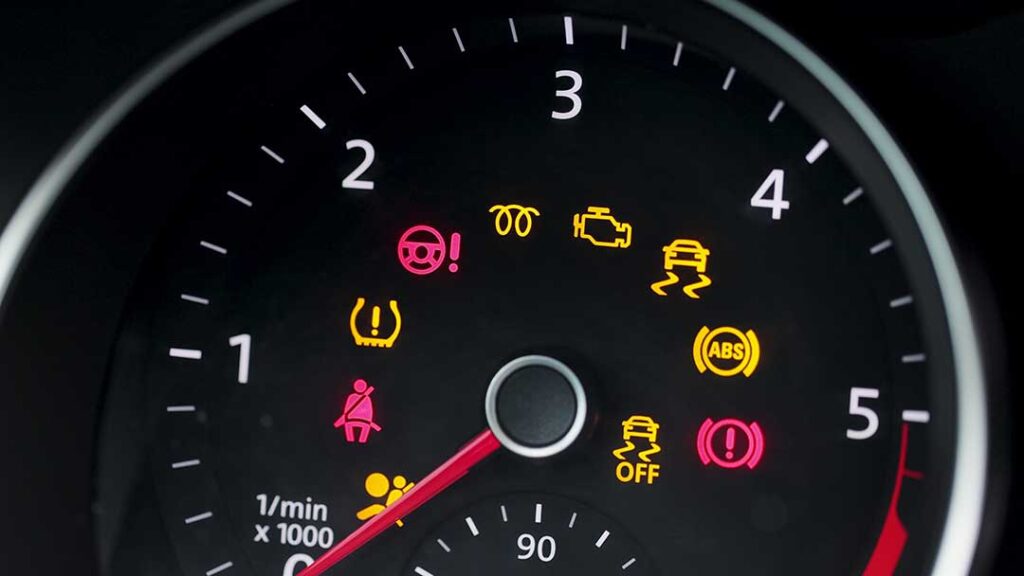
A dashboard warning light, repeated hard starts, a rising temperature gauge, loss of cabin heat, weak airflow, tire-pressure warnings, or unusual belt and brake noises deserves attention. A sweet smell, visible fluid leak, battery odor, or electrical malfunction can also signal a developing problem.
Cold weather often exposes an existing weakness rather than creating a new failure. Addressing warning signs early is safer than waiting for a vehicle to stop operating in traffic or away from home.