

 See My Latest Article on HelloNation
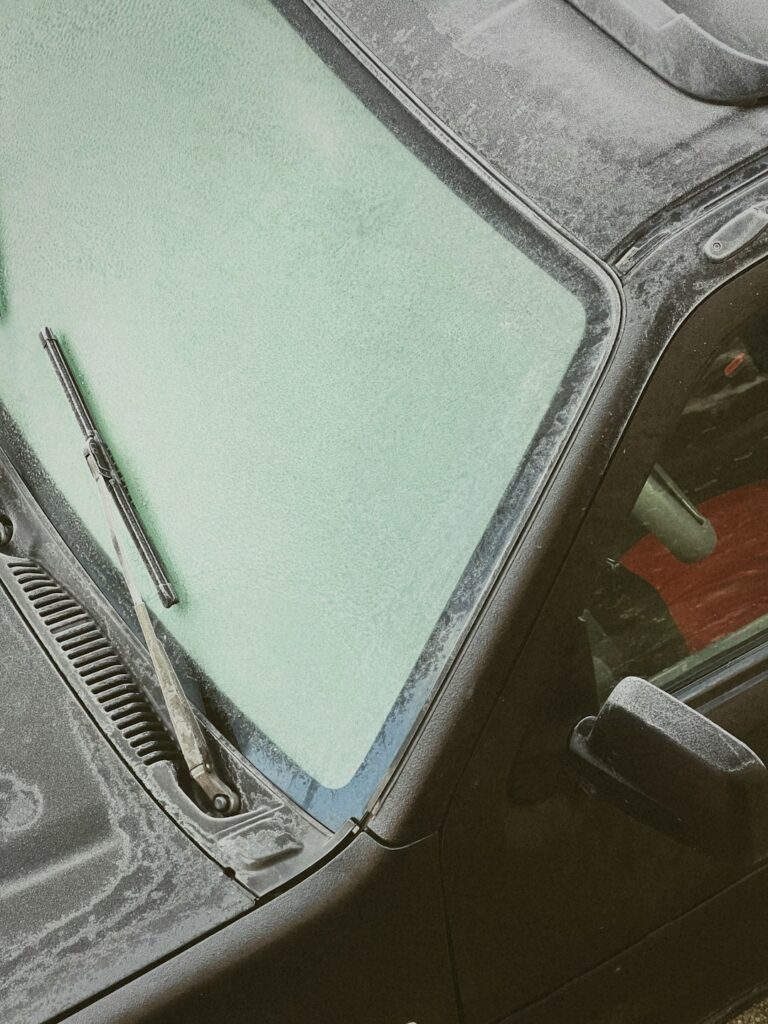
Squeaky windshield wipers usually point to a problem with the wiper blade, windshield surface, or the amount of moisture on the glass. The noise may come from hardened rubber, dirt, worn blade edges, or a wiper arm that is not pressing evenly against the windshield.
In Tucson, dry weather, strong sun, airborne dust, and long periods without rain can make these problems more noticeable. A blade may look acceptable at a glance but still chatter, drag, or squeal across the glass.
Why do windshield wipers squeak?
Squeaking happens when the rubber blade does not glide smoothly across the windshield. Instead, it may stick briefly, twist, and release repeatedly. That rapid movement creates the familiar squeal or chatter.
Common causes include:
- Dust, sand, road film, or oily residue on the glass
- Wiper blades hardened by sunlight and heat
- Cracked, split, or torn rubber
- A blade edge that has become uneven
- A dry windshield
- Incorrect blade installation
- A bent or weak wiper arm
- Wax, polish, or other residue left on the glass
A squeak does not always mean the entire wiper system is failing. Often, cleaning the windshield and blades solves the problem. If the noise continues, the blades or wiper hardware may need closer inspection.
Can dust and desert conditions make wipers noisy?
Yes. Fine dust can settle on the windshield and collect along the blade edge. When the wipers move, that grit can cause friction and produce squeaking or scratching sounds.
Dry conditions also allow dust and oily road film to remain on the glass longer. After a vehicle sits outside during a hot, sunny period, the rubber may become less flexible. Ultraviolet exposure and heat gradually remove the softness that allows the blade to conform smoothly to the windshield.
A light layer of dust may not be obvious from inside the vehicle. Under direct sunlight, however, it can create enough friction to make the blades skip or squeal.
How should squeaky wiper blades be cleaned?
Start with the windshield, because dirty glass can make even new blades noisy.
Use clean water and an automotive glass cleaner or mild soapy water. Wipe the glass with a clean microfiber towel, paying attention to the lower edge where dust and residue often collect. Avoid cleaning the windshield while it is extremely hot, since rapid temperature changes can stress the glass and cause cleaning fluid to dry unevenly.
Next, lift each wiper arm carefully and wipe the rubber blade with a damp, lint-free cloth. Continue wiping until the cloth no longer picks up dark residue. Do not use gasoline, harsh solvents, abrasive cleaners, or oily treatments on the rubber. These substances can damage the blade and leave a film that worsens visibility.
Lower the wiper arms gently. Allowing them to drop against the windshield can chip the glass or damage the arm.
Should wipers be used on a dry windshield?
Wipers can make noise on dry glass because there is not enough moisture to reduce friction. Brief use may be necessary to clear loose dust, but repeatedly running the blades dry accelerates wear and can drag grit across the windshield.
Before using the wipers, spray washer fluid if the vehicle’s system is working properly. Washer fluid is preferable to plain water because it is designed to clean the glass and resist rapid evaporation. If the windshield is covered with heavy dust, rinsing it first is safer than immediately sweeping the dirt across the glass.
Never use wipers to remove thick ice, hardened mud, or stuck debris. That can tear the rubber or overload the wiper motor.
When should wiper blades be replaced?
Replacement is usually appropriate when cleaning does not stop the noise or when the rubber shows visible damage. Look for:
- Cracks, splits, or missing sections
- A blade edge that feels rough or jagged
- Streaks or unwiped areas
- Repeated skipping across the glass
- A blade that leaves a haze or film
- Squeaking that returns immediately after cleaning
- Rubber that feels hard instead of flexible
There is no universal replacement date because climate, parking habits, windshield contamination, and usage all affect blade life. Vehicles parked outdoors in intense sun may need blades replaced more often than vehicles kept in covered parking.
It is generally wise to replace both front wiper blades at the same time if they are the same age. The rear blade, if equipped, may wear at a different rate and should be evaluated separately.
Could the wiper arm cause the squeak?
Yes. The wiper arm must hold the blade against the windshield with fairly even pressure. A bent arm, weak spring, loose connection, or incorrectly installed adapter can cause the blade to tilt or skip.
A wiper arm problem may be suspected when:
- Only one side makes noise
- The blade touches the glass unevenly
- Part of the windshield remains unwiped
- The blade chatters even after replacement
- The arm appears bent or sits higher than the other arm
- The wiper moves irregularly or stops in the wrong position

Do not bend the arm by force. The correct pressure and angle depend on the vehicle’s design, and excessive force can damage the arm or windshield. A damaged arm or loose linkage is a safety concern because the wiper may fail during rain.
Why do new wiper blades sometimes squeak?
New blades can squeak if the windshield has not been cleaned, if a protective covering was left on the blade, or if the blade is not seated correctly in its adapter. Some replacement blades may also be the wrong size or style for the vehicle.
Check that:
- The protective packaging has been removed
- The blade is locked into the wiper arm
- The rubber edge sits flat against the glass
- The blade length matches the vehicle specification
- The windshield is free from wax, silicone, and oily residue
A new blade should not be expected to correct heavy glass contamination. If the windshield has a coating or residue, the new rubber may simply reproduce the same noise as the old blade.
Is squeaking a sign that the windshield is damaged?
Usually, no. Squeaking most often comes from friction between the blade and surface contamination. However, chips, raised cracks, rough repair areas, or deep scratches can interfere with the blade edge.
Run a clean fingertip lightly over the glass only when the vehicle is parked and the surface is free of loose grit. Do not press hard over a damaged area. If the blade repeatedly catches at the same spot, inspect the windshield for a defect.
A damaged windshield can also reduce visibility even when the wipers are operating correctly. Persistent streaking, glare, or distortion deserves attention because clear vision is especially important during sudden rain and nighttime driving.
When does a squeaky wiper need prompt attention?
A mild squeak is usually an inconvenience, but it should not be ignored if the blades leave large unwiped areas or the wipers move unevenly. Visibility can deteriorate quickly during a storm, especially when dust and water mix on the windshield.
Prompt inspection is warranted if the wiper:
- Stops partway across the windshield
- Makes grinding or mechanical knocking sounds
- Leaves the glass mostly uncleared
- Has a loose arm or damaged blade
- Moves much more slowly than normal
- Fails to return to its parked position
A clean windshield, flexible blades, and properly functioning wiper hardware are all part of safe driving. For many squeaks, careful cleaning is enough. If the noise returns, replacing worn blades is the next practical step; continued noise after that points toward the wiper arm, linkage, glass surface, or motor.