

 See My Latest Article on HelloNation

Why Does My Car Start Vibrating?
Vibration while driving is a frequent concern for many in Tucson, AZ, and can have a range of causes. Sometimes it signals a minor issue, but it can also indicate something more serious. Knowing the difference is key to addressing problems early and staying safe on the road.
Is the Road Surface a Factor?
Rough or uneven roads can easily make your vehicle shake or vibrate. Tucson has its share of older pavement and sections under construction, especially after monsoon rains that accelerate wear and create potholes. Vibrations that come and go depending on the street or highway are often due to the driving surface rather than your vehicle itself.
Could My Tires Be the Reason?
Tires are a leading source of vibration. Uneven tread wear, low air pressure, or internal tire damage can cause shaking, especially as speeds increase. In the local heat, tires may lose air more quickly, and extreme temperatures can speed up wear. Some common tire-related causes include:
- Out-of-balance tires (often felt mostly at highway speeds)
- Flat spots from sitting for long periods during summer
- Worn or damaged tire tread
- Loose or missing wheel weights
Checking tire pressure and inspecting for visible damage is a simple first step for area drivers. Rotating and balancing tires routinely can also prevent many vibration problems.
What About My Wheels?
Wheels that are bent or out of alignment will cause ongoing vibration. Hitting a curb or pothole, both common on local roads, can lead to rim damage. A bent wheel typically produces a vibration that can be felt through the steering wheel and intensifies with speed.
Alignment issues may also show up as uneven tire wear or the car pulling to one side. If an alignment check hasn’t been done in a while—especially after driving on rough roads—it might be time to look into it.
Can My Brakes Cause Vibration?
Brake-related vibrations in the city are often felt when stopping. If your steering wheel or pedal shakes primarily during braking, the issue is likely:
- Warped brake rotors, common after heavy use or sudden cooling (such as driving through water after descending Mount Lemmon)
- Poorly installed or worn brake pads
These vibrations are usually more noticeable during higher-speed stops and can gradually worsen if not resolved.
Do Suspension and Steering Components Matter?
Yes, worn suspension or steering parts are frequent causes of vibration, especially in older vehicles or those driven frequently on bumpy roads. Problems in these systems might cause persistent shaking at all speeds or vibrations that worsen over bumps. Typical wear points include:
- Ball joints
- Tie rod ends
- Control arm bushings
Ignoring these issues can impair safety and lead to more expensive repairs later.
Is My Engine or Transmission a Factor?
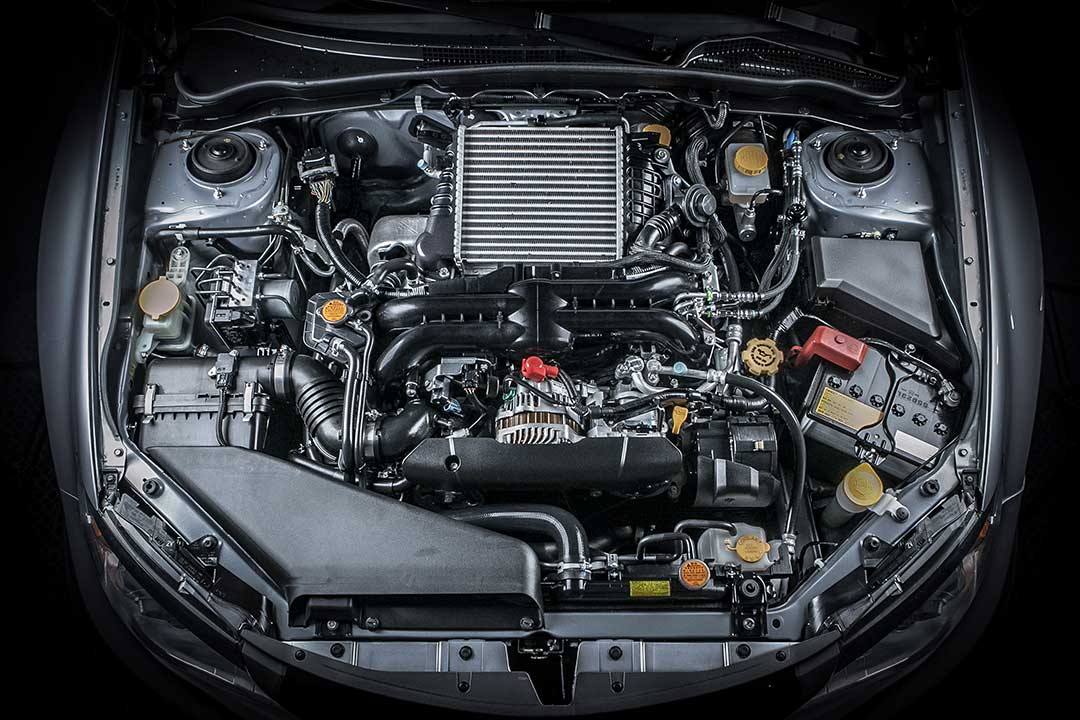
While not as common, engine-related issues can create vibration, often felt when idling or during acceleration. In Tucson, dust and heat can affect rubber motor mounts or hoses sooner than in milder climates. Signs that the vibration is engine-related include:
- Shaking when stopped with the engine running
- Misfiring or stumbling during acceleration
- Rough idling
Transmission problems are less likely the cause of vibration, but they may produce shaking if gears slip or mounts are damaged. Regular maintenance and timely fluid changes can minimize these risks.
Could Driveshaft or Axle Problems Cause Shaking?
For vehicles with rear-wheel or all-wheel drive, driveshafts and axles are possible sources. If you feel a rhythmic vibration that speeds up with your vehicle—or a thumping under your feet—these parts may be the cause. Tucson’s climate and terrain can stress driveline components, especially in vehicles that tow or carry heavy loads.
Are Wheel Bearings Ever the Culprit?
Worn wheel bearings are less common but can cause a humming noise along with vibration. The problem usually grows steadily over time and is more often sensed as a low growl that worsens when cornering. Bearings are especially worth checking in high-mileage vehicles or those that see frequent driving on rough or dusty roads.
What’s Commonly Overlooked?
Many people assume all vibrations stem from tires, but overlooked factors include:
- Recent impact with a curb or pothole, which might have affected multiple systems
- Aftermarket wheels or accessories that are improperly installed
- Missing wheel alignment or overdue suspension checks
Vibration can also be caused by debris caught in the wheels or brakes, particularly after off-road trips or desert driving.
Can Extreme Heat or Climate Make Vibrations Worse?
Heat in Tucson affects car components, especially rubber and fluids. Tires, bushings, and engine mounts wear faster, and any underlying issue is likely to progress more rapidly in local conditions. Checking for heat-related tire inflation and fluid levels during summer months is useful, and paying attention to small vibrations can prevent larger headaches down the road.