

 See My Latest Article on HelloNation
If you live in Tucson, AZ, you know that our desert environment can be beautiful—but it can also be tough on your vehicle. When your car won’t start, it’s not just inconvenient; it can be stressful, especially in the Southwest heat. Here’s an expert guide for Tucson drivers on what to do if your car refuses to start, why it happens, and how to get back on the road fast.
Common Reasons Your Car Won’t Start in Tucson
Before you panic, it helps to understand the most likely culprits. In Tucson, common causes of a car that won’t start include:
- Battery issues: Tucson’s extreme heat shortens battery life, often leading to dead or weak batteries.
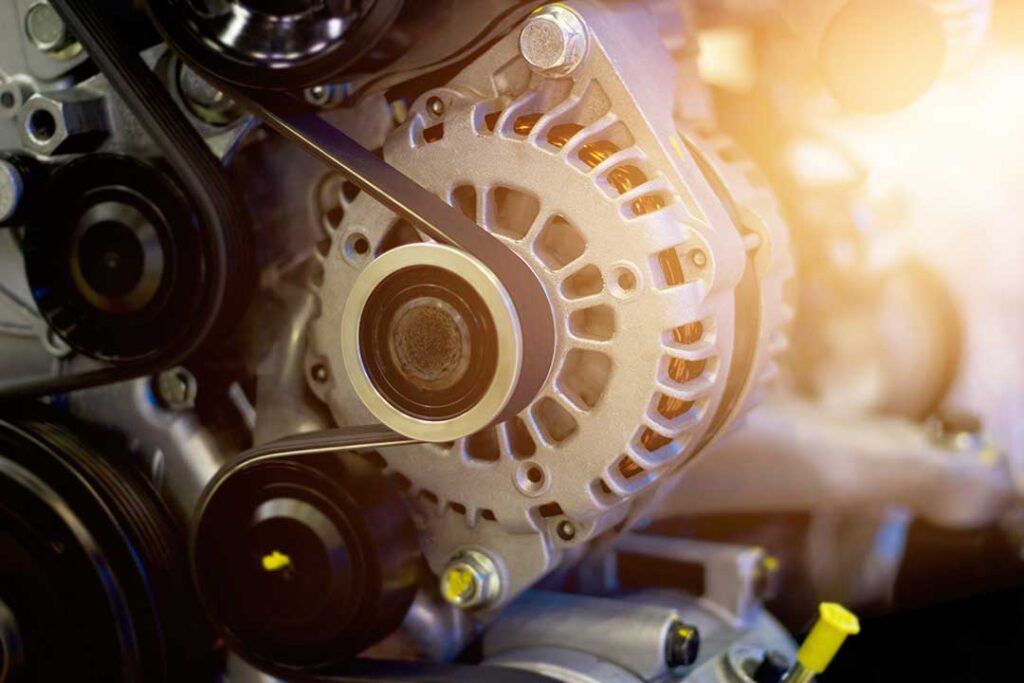
- Starter or alternator problems: Both can be affected by heat, age, or dust.
- Fuel system troubles: Occasionally, a clogged fuel filter or empty gas tank is the cause.
- Ignition switch failures: Continual sun exposure can wear down electrical components.
What to Do First When Your Car Won’t Start
When stranded at home, work, or out enjoying the Tucson outdoors, here’s how to systematically check your vehicle:
1. Check for Obvious Issues
- Make sure you have fuel. It’s easy to lose track on long drives outside the city or just running errands during a busy week.
- Listen carefully when you turn the key. Do you hear clicking, cranking, or silence?
- Ensure the car is in “Park” (automatic) or clutch is fully depressed (manual).
2. Assess the Battery
Battery failure is far and away the most common reason for a car not starting in Tucson. High temperatures drain batteries—even new ones can die quicker in summer.
- Turn on the headlights. Are they dim or won’t turn on at all? Your battery is likely dead.
- Check the battery terminals for corrosion (a white powdery substance) or loose wires.
- Consider the battery’s age. In Tucson, three years is a normal lifespan due to our climate.
3. Try a Jump Start
If you suspect a dead battery:
- Ask a neighbor or friend for jumper cables or use a portable jump box (keep one in your trunk, given our unpredictable weather).
- Attach the cables properly to both vehicles or to the jump box.
- Let the working car run for a few minutes and try to start your vehicle.
If your car starts, let it run for at least 15 minutes to recharge the battery and drive to your local Tucson auto repair shop or battery center for a checkup.
4. Listen for Unusual Noises
Not all starting issues are battery related. Pay attention to the sounds when you turn the key.
- A rapid clicking usually means low battery voltage.
- One solid click points to a starter or solenoid issue.
- A slow, labored cranking could also be a battery or starter motor problem.
- Silence could indicate an ignition switch, security system lockout, or even a blown fuse (check your manual).
5. Observe Warning Lights
Modern cars will often display dashboard warnings. Look for:
- Battery icon: Points to alternator or battery issues.
- Check engine light: May indicate a sensor problem, fuel system issue, or more.
- Security light: Sometimes, immobilizer or key detection problems prevent starting.
Tucson-Specific Car Starting Issues
With so many sunny days, Tucson cars endure unique wear and tear:
- Desert heat can evaporate battery fluid or make battery plates corrode faster, leading to surprise breakdowns.
- Dust is omnipresent—often leading to dirty air and fuel filters, or even electrical issues.
- Long intervals between rain can dry out rubber gaskets, hoses, and wiring, making electrical issues more likely.
Always check for these regional issues, especially if your car is parked outside without shade or a carport.
What to Avoid If Your Car Won’t Start
- Don’t keep cranking the engine. This drains the battery and could damage the starter.
- Avoid jump starting if you smell fuel or see leaking fluids—there could be a more serious issue.
- Don’t ignore the problem. Even if you manage to jump start your car in Tucson’s heat, underlying problems can quickly resurface during your next trip.
When to Call a Professional
If:
- Your car doesn’t respond to a jump start
- You see smoke, leaking fluids, or smell burning
- Dashboard lights indicate a critical error
- The issue recurs frequently
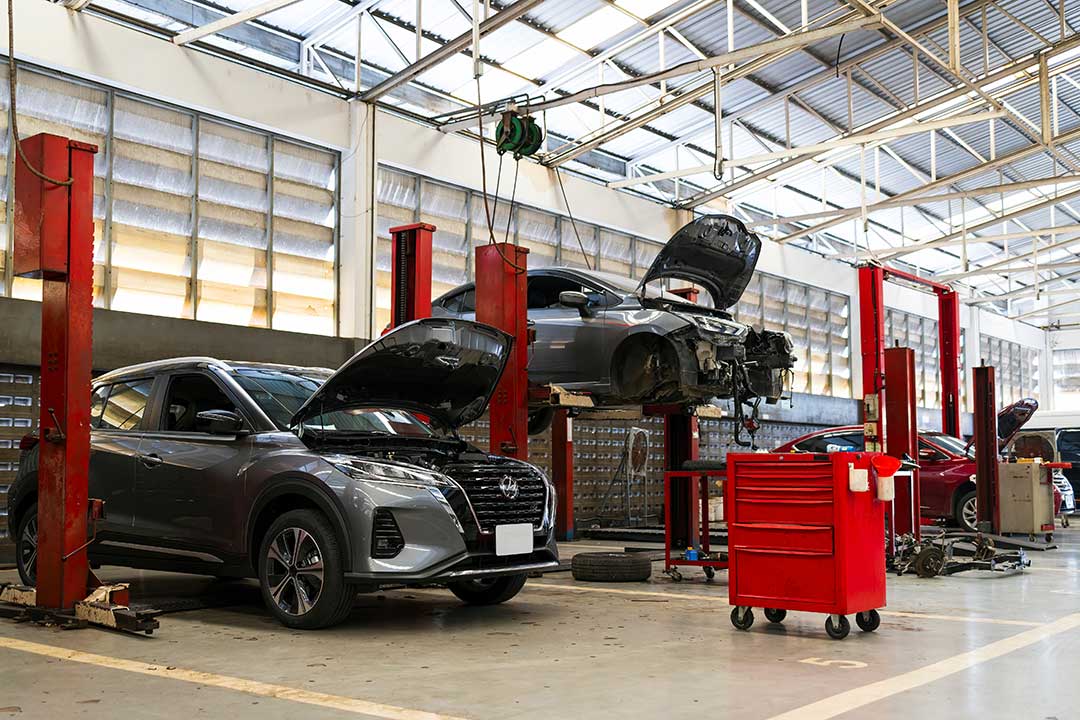
It’s time to call a trusted Tucson auto repair shop or mobile mechanic. Remember, shade is limited, and the heat can be dangerous—especially in the summer months when roadside breakdowns can become emergencies due to temperatures soaring above 100°F.
What to Keep in Your Car for Emergencies in Tucson
For peace of mind, consider the following essentials for the Tucson lifestyle:
- Jumper cables or a portable jump starter
- Bottled water (for you, not the radiator)
- Wide-brim hat or sunshade—waiting for help means sun exposure
- Flashlight (with charged batteries)
- Basic tool kit (screwdrivers, pliers)
- Phone charger and emergency contact list
Preventive Maintenance: Keeping Your Car Ready in Tucson
To minimize your risk of a no-start situation:
- Have your battery tested every year—especially before summer.
- Park in the shade, whenever possible, to prolong the life of your battery and interior electronics.
- Schedule regular inspections of your starter, alternator, and ignition system with your Tucson mechanic.
- Clean your battery terminals and check for corrosion or loose connections.
- Replace old fuel and air filters, especially with all the dust in and around Tucson.
Final Thoughts
In Tucson’s desert climate, car trouble can strike with little warning, thanks to the combination of heat, dust, and long commutes. Knowing what to do if your car won’t start can save you stress and keep you safe—no matter if you’re about to head up Mount Lemmon, hit the U of A campus, or just tackle the daily work commute.
If you follow the steps above and stay prepared, you’ll handle those frustrating non-starts like a pro—and spend more of your time enjoying everything southern Arizona has to offer.