

 See My Latest Article on HelloNation
How Can You Tell if Your Vehicle Has Transmission Issues?
Transmission trouble often starts subtly, but recognizing the early signs can help Tucson drivers avoid more severe and costly repairs. Key symptoms include unusual noises, shifting delays, slipping gears, and leaking fluid. Understanding these indicators can help area residents act before a minor issue becomes a major headache.
What Unusual Sounds Signal Transmission Trouble?
Unfamiliar sounds coming from under the hood, especially when shifting or accelerating, often raise concern. Common signs include:
- Grinding noises during gear changes, frequently noticed in both manual and automatic vehicles.
- Humming, whining, or clunking that is out of the ordinary and wasn’t present before.
- Clicking or buzzing sounds, which may indicate worn internal components.
Tucson’s hot summers can accelerate fluid breakdown, making these noises more pronounced if the transmission is already stressed.
Does Your Vehicle Struggle with Shifting Gears?
Difficulty shifting typically signals transmission problems, whether your car hesitates, stalls, or thuds during gear changes. For local drivers:
- Automatic transmissions may pause or jerk unexpectedly between gears.
- Manual transmissions might resist shifting or pop out of gear abruptly.
- Delayed or missed shifts, especially noticeable at intersections or when accelerating onto highways, can be an early sign of trouble.
Tucson’s frequent stop-and-go traffic amplifies these symptoms, making them harder to ignore during daily commutes.
What Does Transmission Slipping Feel Like?
Slipping occurs when the vehicle seems to lose power or changes gears for no clear reason. Drivers often describe it as:
- The engine revving unusually high without a corresponding increase in speed.
- Lagging or unexpected surges while driving, especially while accelerating.
- Feeling the car shift into the wrong gear or struggle to maintain speed.
Locally, high temperatures and extended highway driving can worsen fluid degradation, leading to more frequent slipping.
Is Transmission Fluid Leaking and What Does It Look Like?
A leak is one of the most obvious red flags. Transmission fluid is usually bright red, though it can darken with age. Signs to look for:
- Puddles or spots under the car where it’s parked overnight.
- A distinctive sweet or burnt odor, especially after driving in the heat.
- Gradual fluid loss resulting in harder or noisier shifting.
In Tucson, many households park on driveways with exposed pavement, making it easier to spot fluid stains or trails during summer months, when leaks are more likely to be noticed due to evaporation marks or smell.
Is a Burning Smell Coming from the Vehicle?
A burning odor can mean the transmission is overheating or fluid is breaking down past its effectiveness.
- This is particularly significant in the city’s hotter months, when stop-and-go driving or hauling loads through steep desert hills puts extra strain on vehicle systems.
- Burnt or darkened transmission fluid is a common companion to this smell.
Neglecting this sign can allow internal components to wear quickly, resulting in major transmission failure.
Can Dashboard Warning Lights Accurately Indicate Transmission Problems?
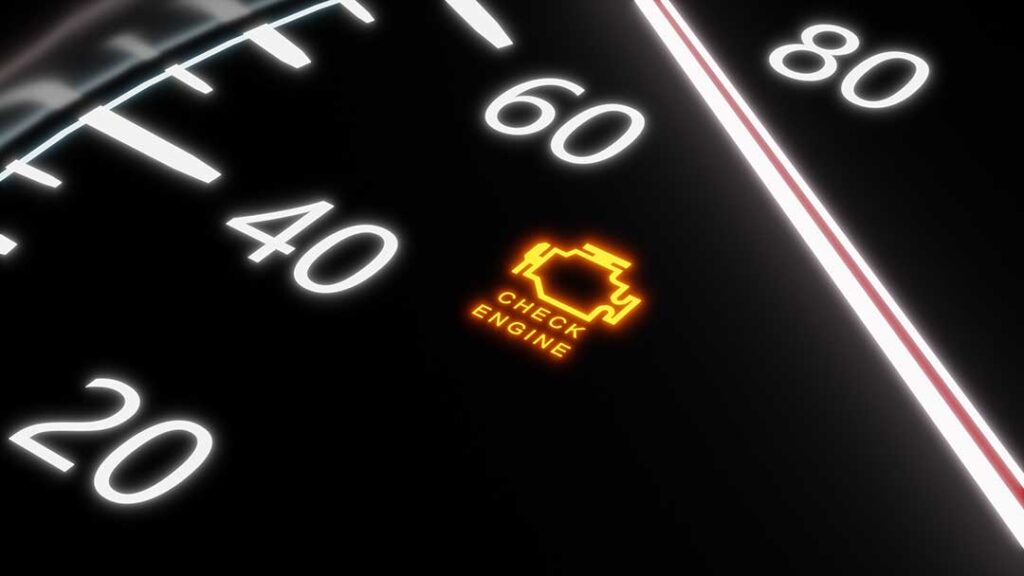
Most modern vehicles include a dashboard warning light (often the “Check Engine” light) that can signify potential transmission trouble.

- However, this warning is not exclusive to transmissions—it may trigger for other engine or emissions issues.
- In Tucson, drivers tend to notice this light after repeated symptoms such as rough shifts or slipping, prompting them to seek further information.
Interpret dashboard signals as a prompt to check for other symptoms, not as the sole indicator.
Should You Worry About Vibrations, Hesitation, or Irregular Movement?
Unusual vibrations or uneven acceleration can result from transmission faults:
- Shuddering or shaking during acceleration.
- Brief hesitation before moving forward from a stop.
- Difficulty maintaining a steady speed, especially noticeable on area freeways or while climbing inclines in the desert surroundings.
While uneven roads and heat can sometimes cause temporary vibrations, persistent issues are often mechanical.
Which Common Misconceptions Lead to Delayed Action?
Some Tucson residents mistakenly believe that transmission problems only affect vehicles with high mileage. In reality:
- Hot weather and desert dust can accelerate wear, even in newer vehicles.
- Ignoring initial symptoms can shorten the lifespan of transmissions dramatically, especially during intense summer heat.
Assuming issues will resolve on their own, or attributing strange behavior solely to fuel or engine concerns, are common errors that delay needed attention.
What Can Local Conditions Teach About Preventing Transmission Damage?
Tucson’s environment—including high temperatures, monsoon rains, and frequent dust—has unique effects on vehicular systems.
- Excessive heat breaks down fluids faster, so symptoms may appear sooner than in cooler regions.
- Dust can infiltrate components, increasing the risk of internal damage.
- Climbing neighborhood hills or frequent freeway merges put extra load on transmissions already stressed by climate.
Regular observation and prompt response to the symptoms above can help area households keep vehicles reliable despite the challenging local climate.