

 See My Latest Article on HelloNation
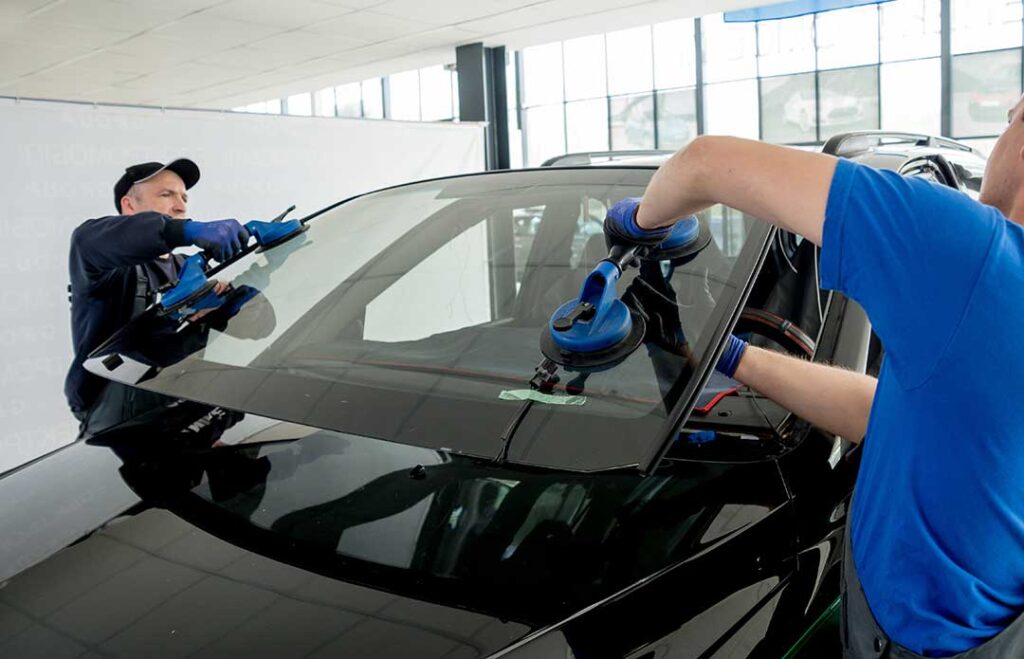
Seasonal vehicle inspections are a practical way to identify developing problems before temperature changes, long trips, or heavy-use periods turn them into breakdowns. In Tucson, AZ, seasonal checks are especially useful because vehicles face intense heat, dusty conditions, extended air-conditioning use, and occasional monsoon-related hazards.
Why do seasonal vehicle inspections matter?
A seasonal inspection reviews safety and reliability items that may be affected by changing weather or driving patterns. It is not the same as waiting for a warning light, unusual noise, or visible leak.
Some vehicle problems develop gradually. A battery may lose starting power, tires may wear unevenly, and coolant or brake fluid may become contaminated without producing an immediate dashboard warning. An inspection can identify these conditions while there is still time to plan repairs.
Seasonal inspections also help drivers notice changes that are easy to overlook, including:
- Reduced air-conditioning performance
- Longer stopping distances
- Pulling or vibration while driving
- Slow engine cranking
- Uneven tire wear
- Cracked rubber components
- Windshield damage that spreads with temperature changes
The goal is not to replace regular maintenance. It is to add a timely safety review based on the conditions a vehicle is about to face.
How does Tucson’s climate affect vehicles?
High heat places stress on several vehicle systems, particularly during long periods of parked exposure and repeated air-conditioning use. Under-hood temperatures can remain high even after the engine is turned off, accelerating the aging of batteries, belts, hoses, wiring, and plastic components.
Heat can also shorten the useful life of a battery. A battery that appears to work normally may have reduced reserve capacity, making it more likely to fail after an especially hot season or during a demanding start.
Tires are affected as well. Air pressure rises with heat, while underinflated tires flex more and generate additional heat. Both underinflation and excessive wear can increase the risk of tire damage. Pressure should be checked when the tires are cold and compared with the vehicle manufacturer’s recommended pressure, usually listed on the driver-side door label.
Dust and fine debris may contribute to clogged air filters, restricted airflow, and accelerated wear in some components. A visibly dirty engine compartment is not automatically a reason for aggressive cleaning, but it is a reason to inspect air filtration, electrical connections, and fluid reservoirs carefully.
What should be checked before the hottest months?
Before extended hot-weather driving, the cooling and electrical systems deserve particular attention. The engine cooling system should be checked for correct coolant level, leaks, damaged hoses, and signs of overheating.
A seasonal inspection should also consider:
- Battery condition, terminals, and hold-down hardware
- Radiator, coolant reservoir, hoses, and drive belts
- Engine oil level and condition
- Air-conditioning operation and cabin airflow
- Tire pressure, tread depth, sidewall condition, and spare-tire readiness
- Brake pad thickness, rotor condition, fluid level, and warning signs
- Windshield wipers and washer-fluid spray pattern
- Exterior lights and emergency flashers
A vehicle that runs normally in the morning can still overheat later in the day if coolant flow is restricted or the cooling fan is not operating correctly. Temperature-gauge behavior matters. A gauge that rises above its usual position, fluctuates, or approaches the hot range should not be ignored.
Air-conditioning problems are not only a comfort issue. Poor cabin cooling can contribute to driver fatigue, while a weak blower or blocked cabin filter can reduce windshield defogging performance when needed.
What should be inspected before monsoon conditions?
Seasonal preparation should include visibility, traction, and electrical checks before periods of heavy rain and blowing dust. Even if rainfall is intermittent, sudden storms can create difficult driving conditions.
Important items include:
- Wiper blades that clear the glass without streaking
- A windshield free of significant chips or cracks in the driver’s viewing area
- Headlights, brake lights, turn signals, and hazard lights
- Tire tread capable of moving water from the contact patch
- Brake response on wet pavement
- Secure battery cables and protected electrical connections
- Properly functioning windshield washers
Road debris, standing water, and reduced visibility can make a vehicle’s condition more important than usual. Worn tires may lose traction sooner, and weak wipers can make it difficult to see lane markings or vehicles ahead.
Drivers should never assume that a sport-utility vehicle, pickup, or all-wheel-drive vehicle can stop more quickly on wet pavement. Traction systems may help a vehicle move, but they do not eliminate the limits of tires and brakes.
Is a seasonal inspection needed if the vehicle was recently serviced?
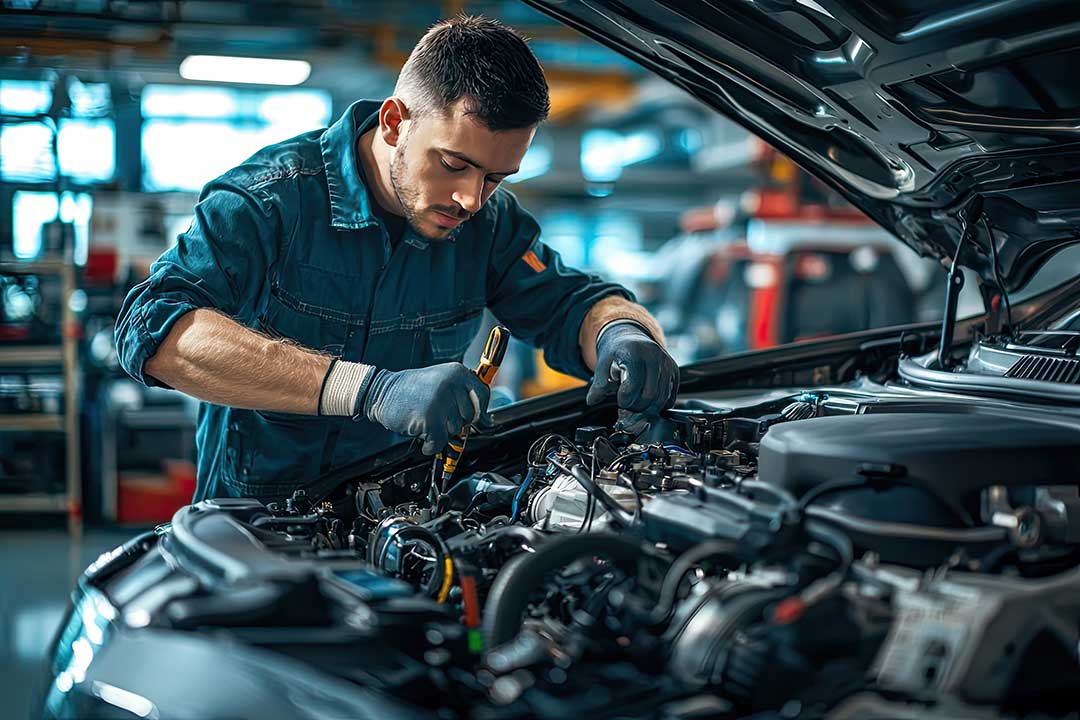
It may still be useful, depending on what the earlier service included and how much the vehicle has been driven since then. An oil change, tire rotation, or battery replacement does not necessarily include a complete inspection of cooling, braking, visibility, and emergency equipment.
The service record can help determine what remains due. For example, a vehicle may have recently received an oil change but still need a tire-pressure check, wiper replacement, brake inspection, or coolant evaluation.
Inspection timing should also reflect usage. A vehicle driven only a few miles at a time may experience battery discharge and moisture accumulation, while a vehicle used for long commutes may accumulate mileage and heat exposure more quickly.
Which warning signs should not wait for a seasonal check?
Some symptoms should be addressed promptly rather than saved for a routine inspection. A vehicle may need immediate attention if it has:
- An overheating gauge or steam from under the hood
- A brake pedal that feels soft, sinks, or vibrates severely
- A strong fuel smell
- A flashing engine warning light
- A battery warning light accompanied by electrical problems
- A tire bulge, exposed cord, or rapid loss of pressure
- Steering that suddenly feels loose or difficult
- A large fluid leak or a strong burning odor
Continuing to drive under these conditions can increase repair costs and create a safety risk. If the vehicle becomes unsafe to operate, stopping in a secure location and arranging appropriate assistance is safer than attempting to continue.
How often should residents arrange a seasonal inspection?
Many drivers benefit from a more detailed check twice each year: once before the hottest period and again before a season involving more rain, travel, or extended driving. The exact schedule depends on the vehicle’s age, mileage, storage conditions, maintenance history, and daily use.
A seasonal inspection is also sensible before:
- A long-distance road trip
- Carrying unusually heavy loads
- Towing
- Driving after a vehicle has sat unused for several weeks
- A change in household driving patterns
- The expiration of a vehicle registration or required safety review
Keeping a simple record of tire pressure, fluid levels, battery testing, and completed maintenance makes it easier to identify gradual changes. It also helps prevent a seasonal inspection from becoming a rushed response to an avoidable failure.
What can drivers check at home?
A few basic checks can be performed safely without tools. With the vehicle parked on level ground and the engine cool, a driver can inspect tire condition, confirm that exterior lights work, look for obvious fluid spots, test the wipers and washers, and verify that the spare tire and emergency equipment are present.
The owner’s manual should guide fluid specifications, warning-light interpretation, tire-pressure requirements, and maintenance intervals. Drivers should avoid opening a hot cooling system or reaching near moving belts and fans.
Seasonal inspections are most useful when they focus on actual driving conditions rather than a generic checklist. For local residents, that means giving special attention to heat-related wear, cooling performance, tire condition, air-conditioning operation, visibility, and readiness for sudden weather changes.